


 0
I · Red
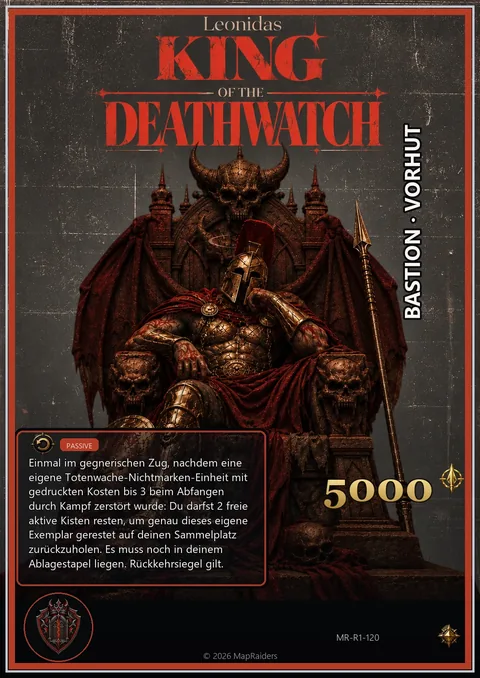
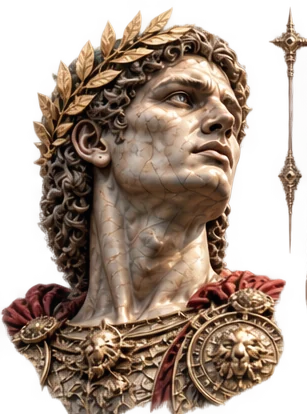
Human
Empires, armies and laws. What people have built, they also defend.
The card battle arena is where your deck meets another deck. Two commanders, fifty cards each, five buildings per side. Whoever keeps a building standing longer takes the match.
Live in the browser. Something new arrives every week.
MapRaiders is a location-based game, an open-world action RPG and a trading card game (TCG) on one real world map: a Pokémon GO alternative you can also play from home. Walk, run or cycle outside with GPS, and your loops become territory on the real map. From home, your own 3D character plays the same map, the same streets and the same territory, live with the same players, with quests, raids at spawn points and vehicles. In that world you also collect trading cards for a card game of their own, with commander decks and live duels for land. All of it is one story, The Collision. Each season is a chapter, and what a season brings never returns but stays valid.
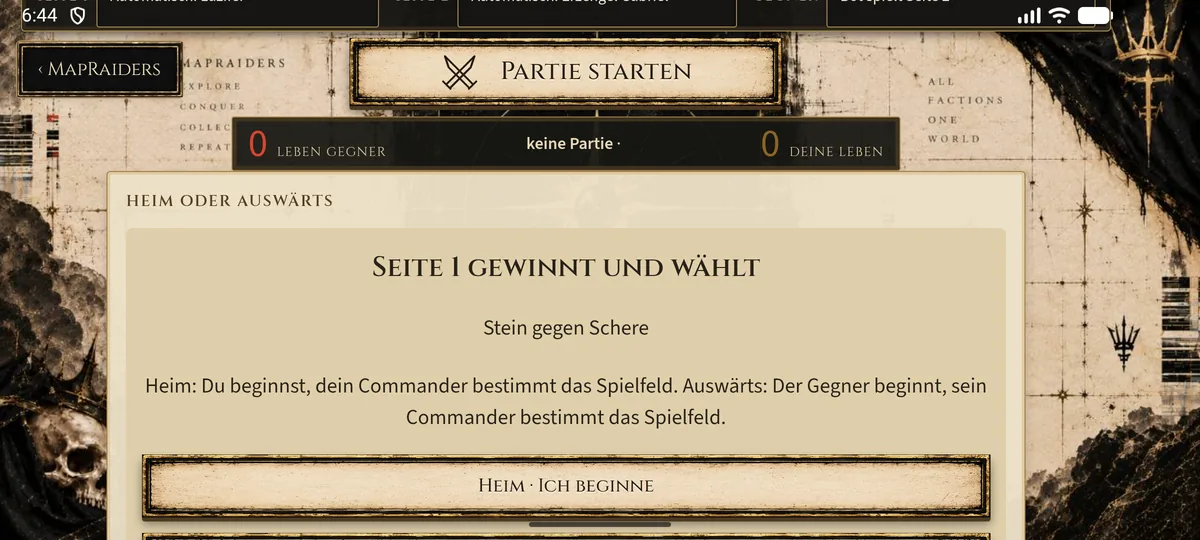
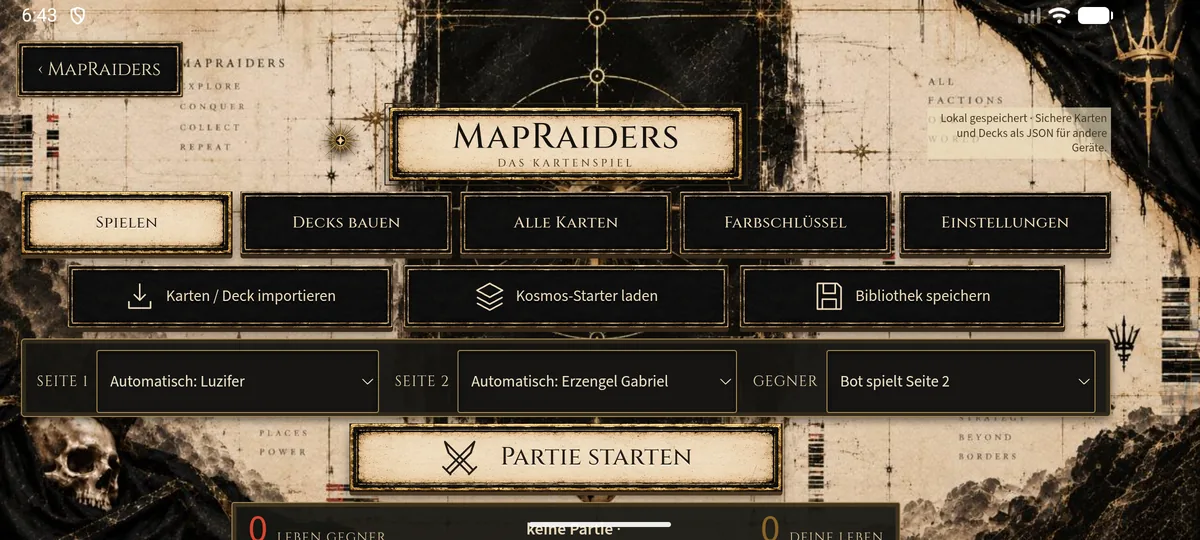
Real screenshots from an earlier test build of the game. The interface in these shots is German.
The card battle arena is the place in MapRaiders where matches of the trading card game (TCG) are played. You bring a commander and a deck, your opponent does the same, and the table decides.
You do not need to go outside for the arena. It works at home, on the sofa or on the train. What you claim outside and what you play at the table belong to the same world.
Every match begins with one decision. A round of rock paper scissors settles who gets to make it.
You begin, and your commander sets the battlefield.
Your opponent begins, and their commander sets the battlefield.
Going first is not everything: nobody attacks on their own first turn. So the choice is a real one. Do you want the first turn and your own battlefield, or do you let the other side move first and watch what it does?
An example: rock, paper, scissors goes your way and you choose home. You begin on your commander's field, draw, and hold two cards that fit: a unit and a trap.
Play the unit and it stands on the table early, but your opponent sees it and can prepare. Lay the trap face down and you show nothing, but it only works once they attack. Nobody attacks in their own first turn anyway, so playing hidden early buys you nothing but time.
Later the same question returns in another form: do you attack the unit that threatens you, or go straight for a building and take one of its lives?
 II
 50
III
Turns alternate. Each turn has the same three steps.
 IDrawyou take a card from your deck.
 IIActivateyou play cards from your hand and use abilities.
 IIIAttackyou go for enemy units or enemy buildings.
Traps lie face down until their moment comes, and terrain changes the battlefield for as long as it stays in play. You never see everything your opponent has prepared.
When a building falls, its building card is turned over, and that life is gone. Whoever has no building left standing loses the match.
Building cards are your lives, not extra cards and not a card type of their own. Any card from your deck except the commander can be one: one face-down card under each of your five buildings.
You can play against the bot at any time. You choose your deck, the bot plays another one, and you learn the rules and try out decks without anyone waiting for you.
A match against the bot also runs in the browser without an account. An account keeps your cards, decks and progress.
In the arena you open a lobby or challenge a figure you meet on the map, and your deck plays against another player's deck. An arena duel has no stake: nobody loses cards from their collection.
A won duel against another player earns coins, and coins buy card packs in the shop. That makes the card duel one of the ways to get cards. Everything is earned by playing.
The arena is linked with the world map: the map decides where conflicts arise, the card duel decides who makes use of them. If you walk into someone else's territory while its owner is online, the owner can defend it in a live card duel. If the attacker wins, the ground changes hands; if not, nothing is taken. If the owner does not answer, the ground goes to the attacker. Your collection is never at stake.
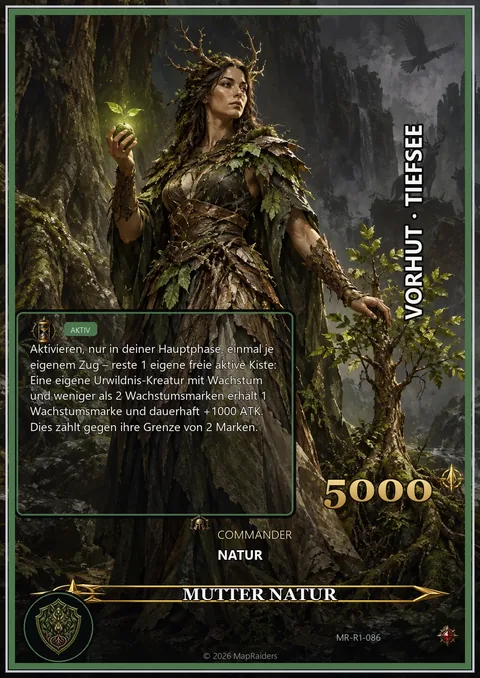
Every card belongs to one of six factions: Human, Technology, Nature, Heaven, Hell and Cosmos. In the arena they meet deck against deck.
The story calls it The Collision: the seam between the dimensions tears open, and figures from all ages and worlds face each other. Your commander decides which of them you lead.
Empires, armies and laws. What people have built, they also defend.
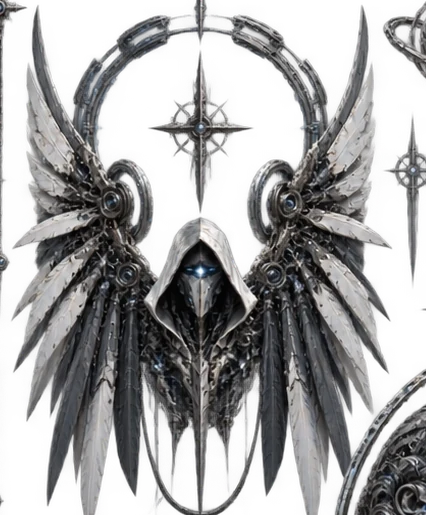
Gears, machines and cold precision. Progress does not ask for permission.

Forest, root and pack. What grows takes back what belongs to it.
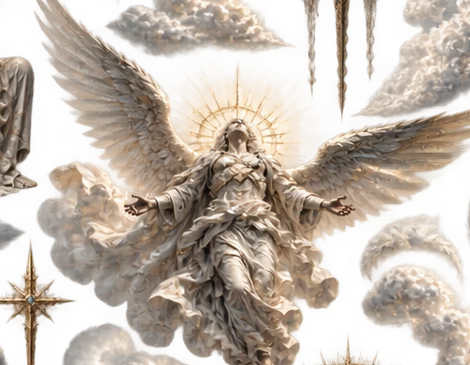
Light, vigil and judgment. Heaven protects, and it forgets nothing.
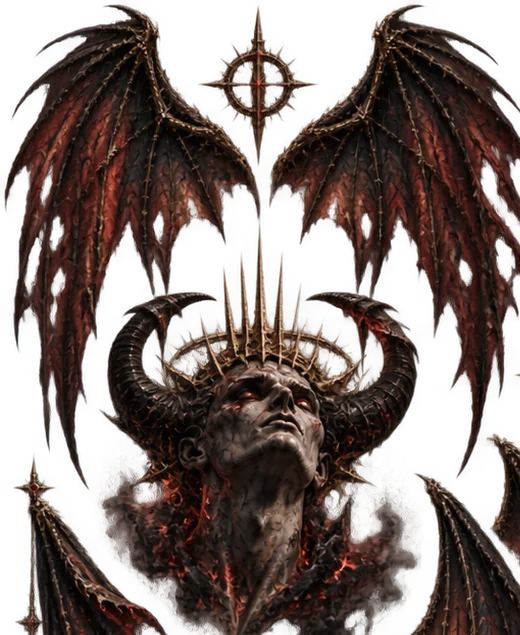
Fire, pact and price. Every power can be had, and each has its price.
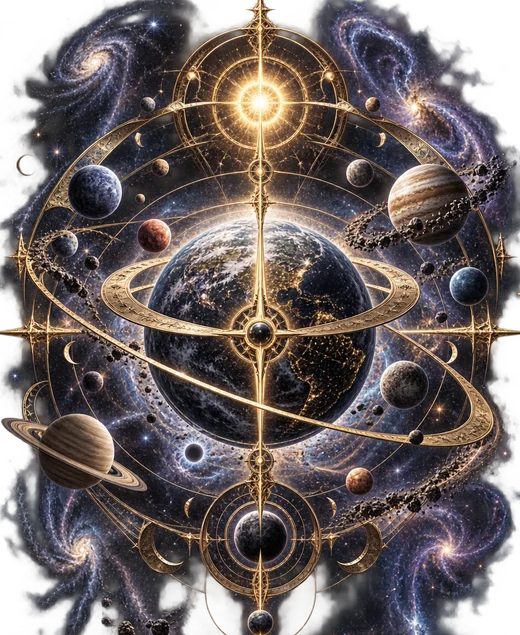
Stars, orbits and the silence in between.
Live in the browser. Something new arrives every week.